





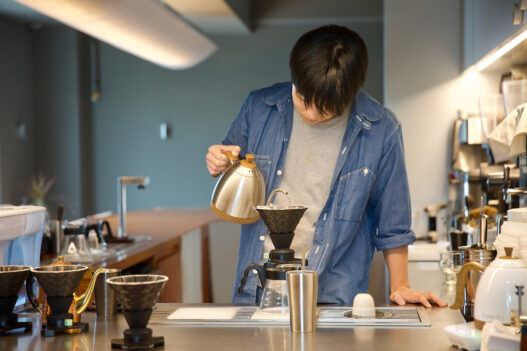
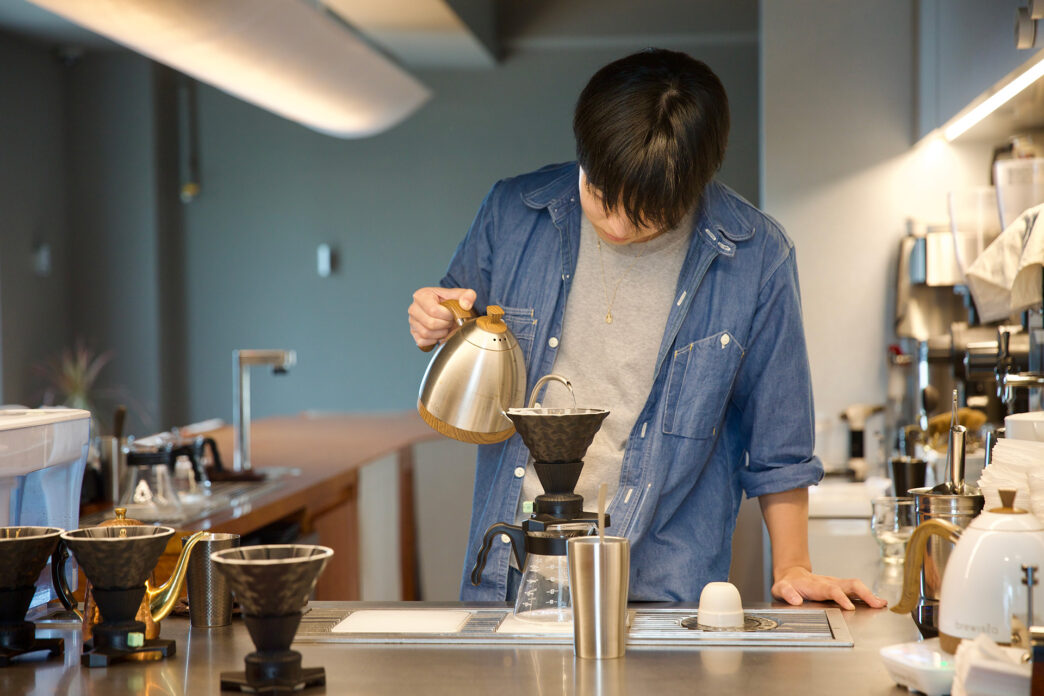
Yongsan District is, in many ways, the beating heart of Seoul. Wrapping around the city center, it stitches together a mosaic of neighborhoods—tiny pockets of culture and character. Some of these, like Itaewon, give young Koreans and expats alike a place to chase art, coffee, wine, and fashion. If you’re visiting Seoul, chances are you’ll spend time here.
Within Yongsan, each area has its own rhythm and feel: Hannam’s galleries, design studios, and high-fashion focus; Itaewon’s late-night, club-forward, expat-friendly energy; Huam-dong’s (steep) hillside bakeries and unique architecture; and Ichon’s riverside calm. That mix is why the coffee scene feels so alive, the sort of place where you can slip from a buzzy espresso bar to a quiet pour-over counter in minutes.
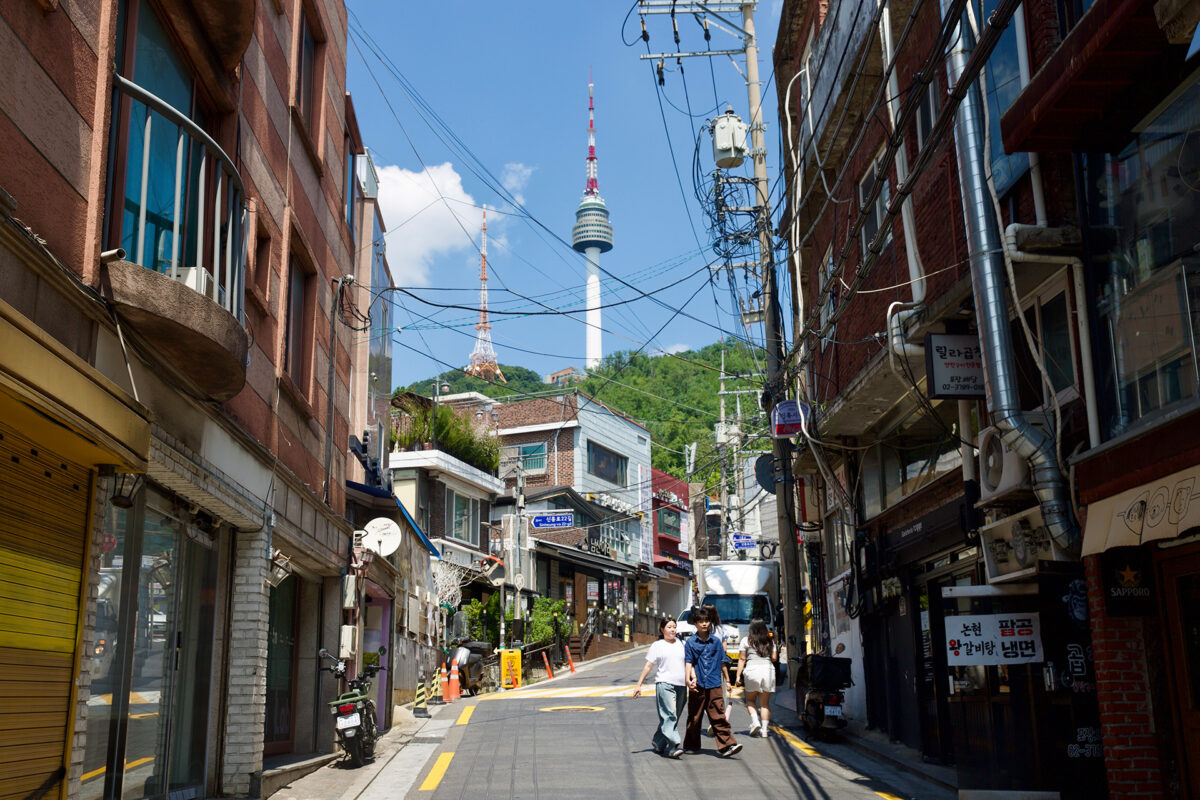
Yongsan-gu is steeped in coffee heritage, emblematic of Korea’s national obsession. From office workers on lunch break (coffee is basically mandatory) to free-spirited artists nursing a cup while they work, it makes sense that the area is dense with cafes—and that so many of them are excellent. Use this list as your guide as you wander.
Bamaself
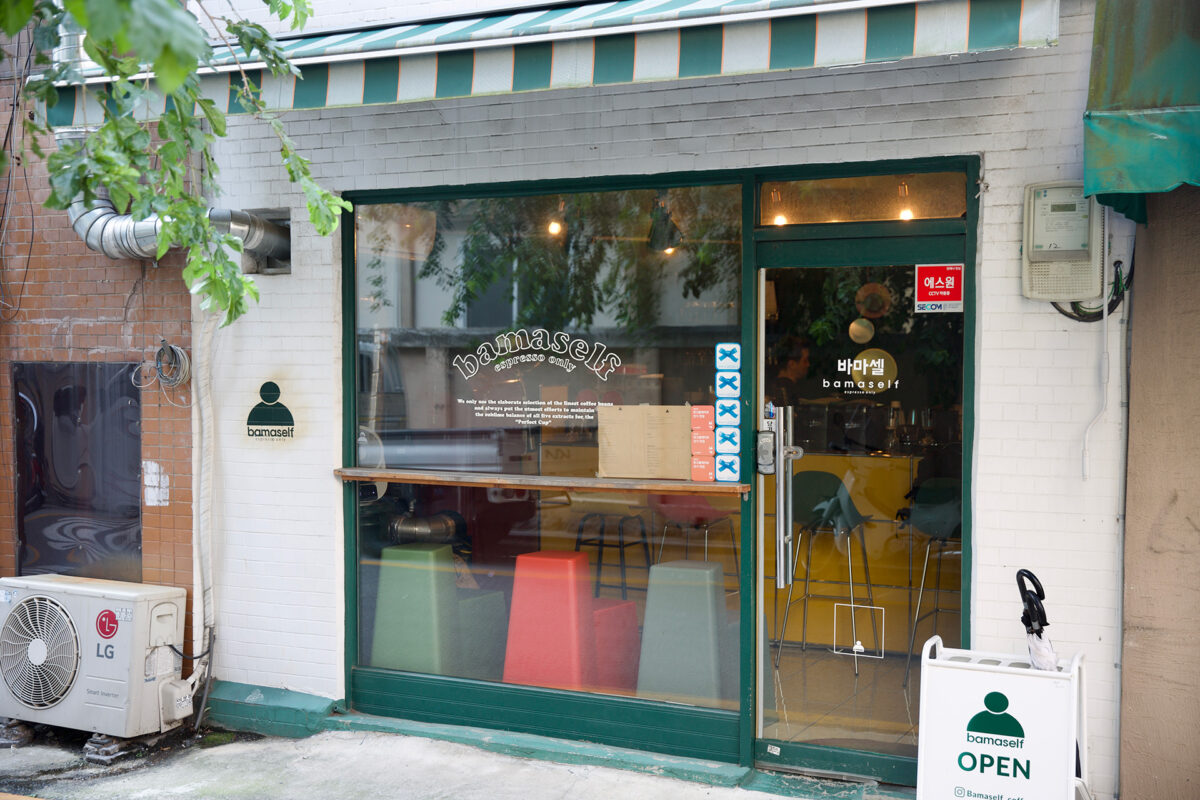
Bamaself is unassuming at first glance. What looks like a typical espresso purveyor (of which there is no shortage) turns out to be one of the most interesting coffee experiences I’ve ever had. Step inside: deep-green walls, bright-yellow counters, and a cherry-red roaster right in view. In a moment when so many cafes lean stark white, this room feels instantly nostalgic.
Sidle up to the bar and order from a slate of traditional, Italian-style espresso drinks. You’ll notice they spotlight espresso con zucchero—espresso with sugar. The owner, former Korea Barista Champion Hyun-sun Choi, told me he wants to reintroduce Korean coffee lovers to Italy’s sweetened-shot heritage. Not the hurried, one-euro espresso of Italian sidewalks, but a cup dialed-in to precision. Choi sources green coffee from top Korean importers and pulls on a two-group Faema E61 and an under-counter MOAI machine, depending on the coffee. My espresso was rich and layered, made even better with a touch of sugar.
There’s also a rotating siphon program. I chose a washed Ethiopia and was served half the brew in a classic mug and the other half in a martini glass kissed with drops of house-made peach distillate, made on-site using a centrifuge. The coffee sang on its own, with lifted peach notes and a seasonal accent that complemented the cup beautifully. To say this is a hidden gem would be putting it lightly.
Korz
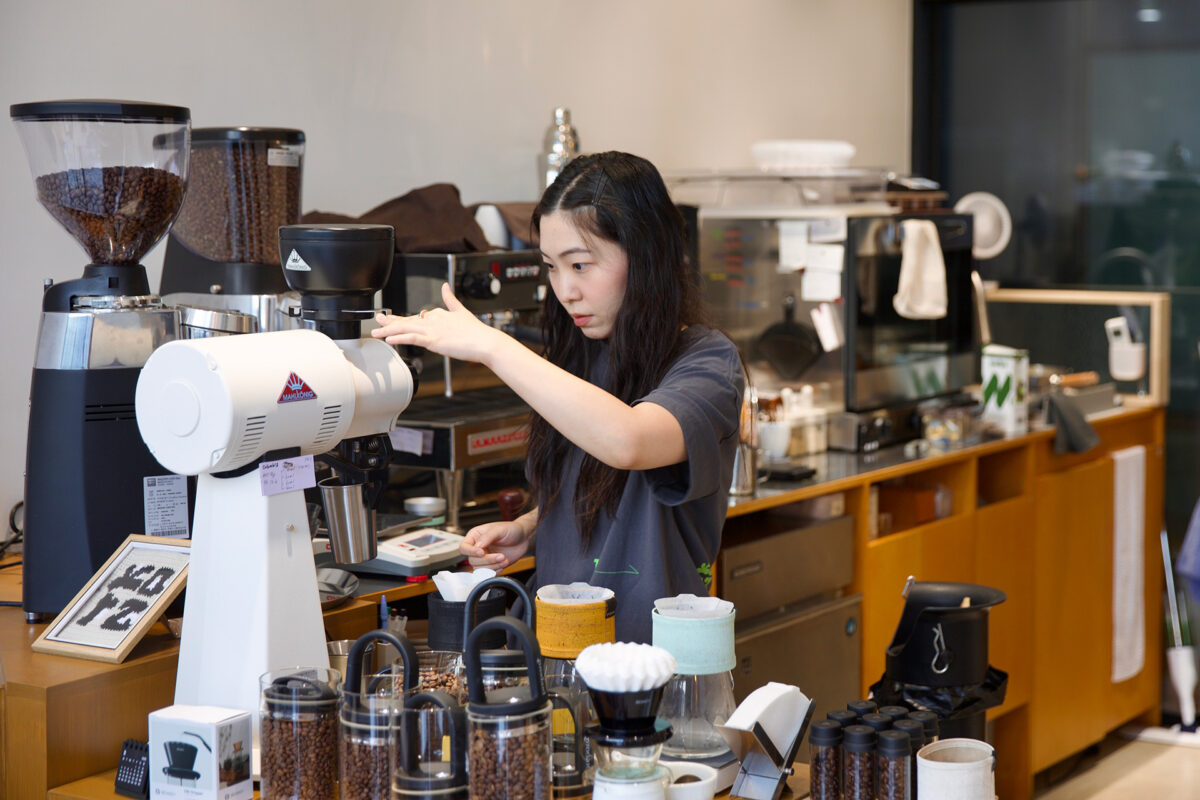
Just down the street from Bamaself and steps from Samgakji Station, Korz reads like a true neighborhood watering hole. The vibe matches: warm, lived-in, and clearly loved by regulars. Bolstered by the meticulous sourcing and roasting of Kyoto’s Style Coffee, Korz channels a Kansai café sensibility right in the middle of Seoul.
Expect the hits done with care: thoughtfully pulled espresso, a wide slate of pour-overs, and a refined pastry case. They brew every pour over using either a German-made Graycano Dripper, or Japan’s own Beandy Silk Dripper—both relatively new brewers whose inclusion telegraphs a thoughtful, creative approach.
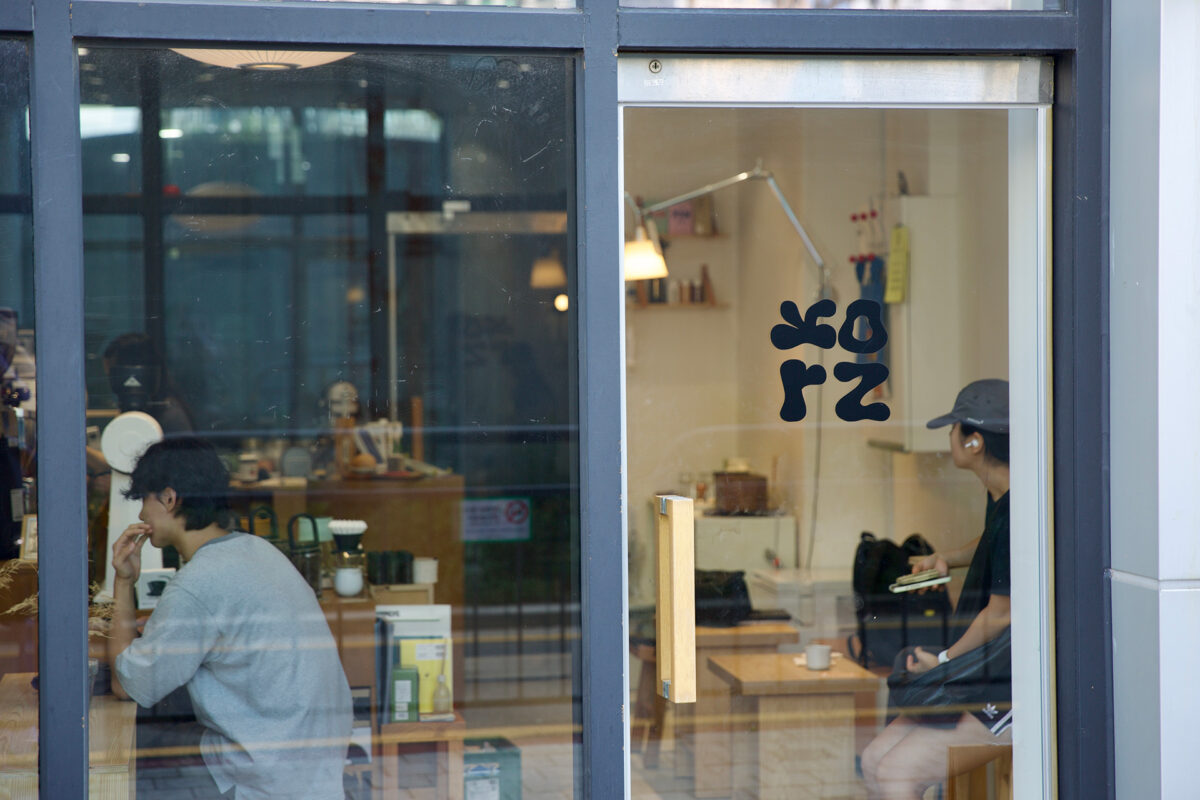
Matcha lovers, rejoice: Korz runs a meticulous matcha program using leaves from Uji, Japan. Because Korea’s Jeju Island is famous for its prolific production, non-Jeju matcha remains a rarity in Seoul. And while homegrown matcha is nothing to sneeze at, Uji brings a different profile that dedicated matcha fans will notice. The Japanese matcha also dovetails neatly with the cafe’s Japanese coffee connection. The result is a spot that feels like a local secret, yet absolutely worth shouting about. Don’t keep Korz to yourself!
El Café
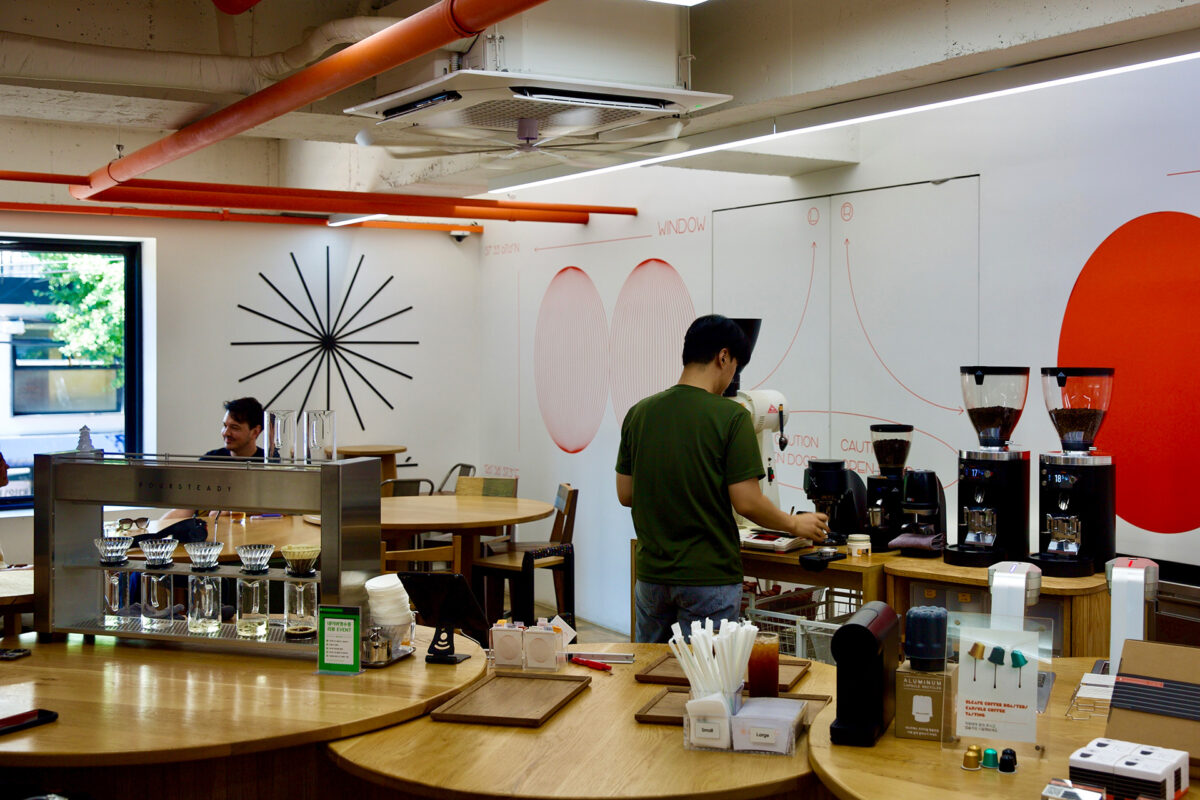
Just a short walk from Seoul Station, one of the city’s busiest landmarks and conveniently tucked under the shadow of Namsan Tower, you’ll find El Café’s roastery and cafe. Its home base is Huam-dong, a neighborhood rich with architectural history and sweeping views, yet often overlooked in favor of Itaewon and Haebangchon (HBC). That’s part of the charm: you’ll feel like you’ve stumbled upon a quieter, more authentic corner of Seoul. Let El Café be your reason to make the trip.
The Blue Ribbon Survey is Korea’s closest equivalent to the Michelin Guide, combining expert opinion and public votes to recognize excellence. El Café proudly displays a staggering 13 consecutive Blue Ribbon awards; maybe the most highly decorated cafe I’ve come across in Seoul. And it’s well-earned. Few local roasters match their level of intentionality, sourcing coffees from around the world and roasting with exacting precision. Each visit offers a chance to explore a wide spectrum of origins and expressions. They don’t shy away from creativity, either: my last cup was served in two different Icosa glasses so I could experience its profile from multiple angles.
El Café is built for both volume and craft. Poursteady PS1, an automatic pour-over brewer with the ability to brew a whopping five coffees at once, handles precise pour-overs at scale, while an array of MOAI espresso machines power the bar. The result is a place that hums with efficiency but never feels rushed. As you go, I’d recommend buying a bag of beans as a souvenir.
Kihara
As an avid coffee drinker and Seoulite myself, there’s one recent trend I’m especially thankful for: more cafes are partnering with global roasters. Lately it feels like I always have a choice: amazing coffee roasted locally, or equally amazing coffee roasted elsewhere. Seoul’s embrace of Nordic-style coffees, often from Nordic roasters, keeps the culture moving and makes space for people to enjoy new coffees brewed in new ways.
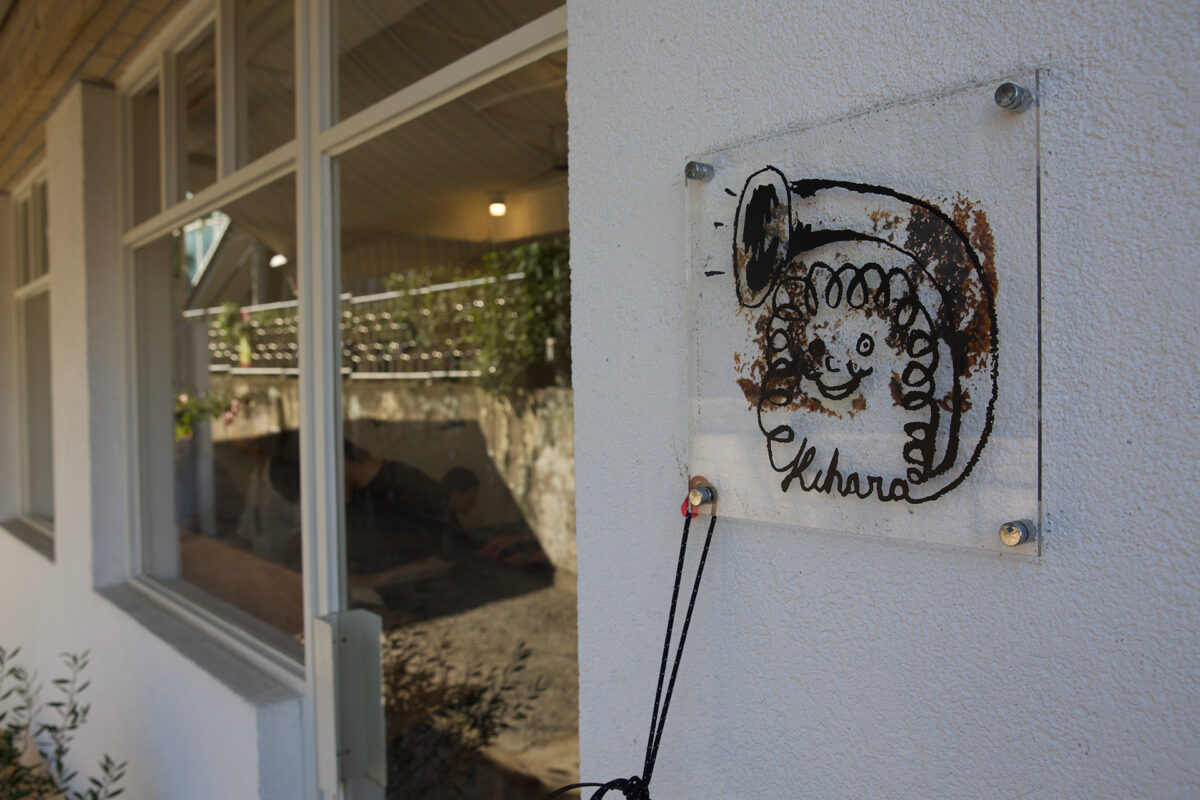
For me, Kihara is the exemplar. This little cafe tucked far away, up the hill in a residential neighborhood near Hyochang Park, sits perfectly between two houses. I was lucky to find it at all; it’s that hidden. I’m honestly jealous of the people who live nearby, because this is every urban coffee lover’s dream: an excellent shop just steps from home. Kihara works exclusively with Frukt, a “producer-first” Finnish roaster that’s been earning real global attention over the past year or two.
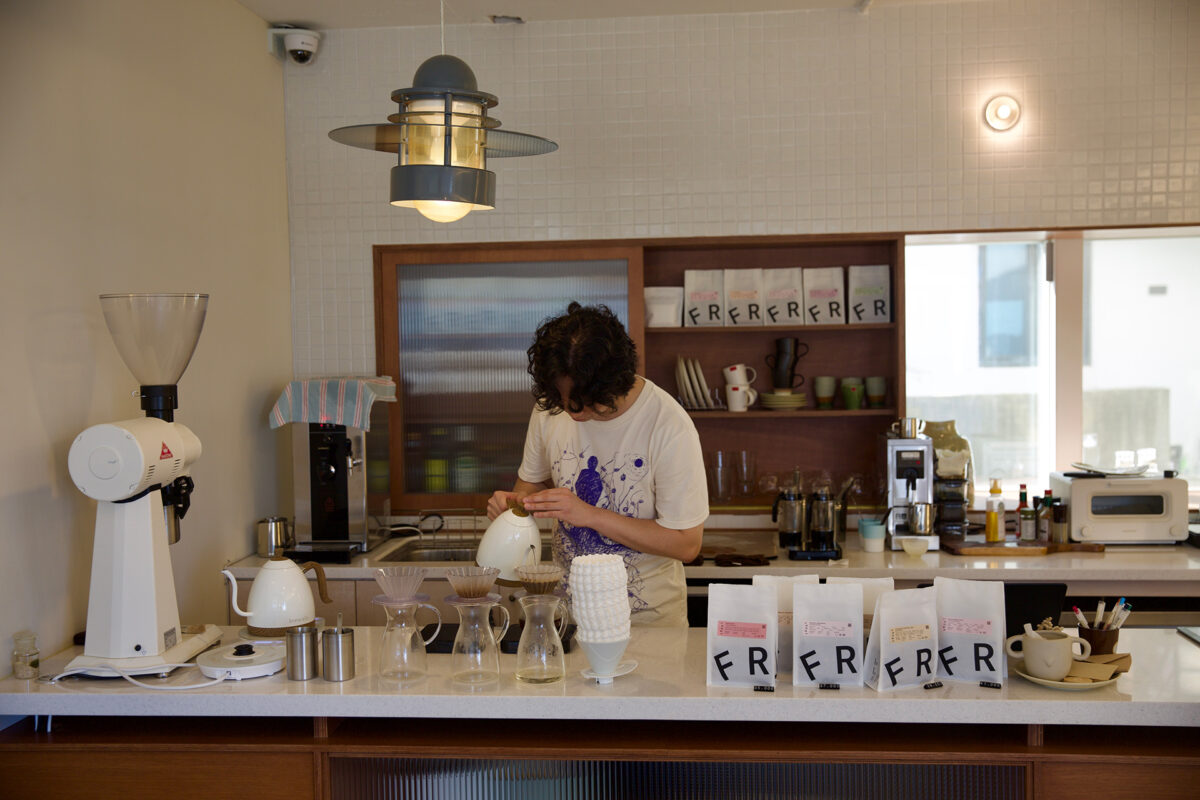
It’s a humble setup—just one Mahlkönig EK43 and a few Origami drippers—but the menu feels surprisingly dynamic. You’ll find a wide range of filter options alongside specialty, mocktail-style drinks that make just half an hour here feel like a privilege. The space is intimate: locals working, couples on dates, someone tucked away with a novel. I’d point you toward a pour-over—or the Oolong Cardamom Milk. There’s no espresso here, but honestly, you won’t miss it. Kihara has you covered.
Champ Coffee
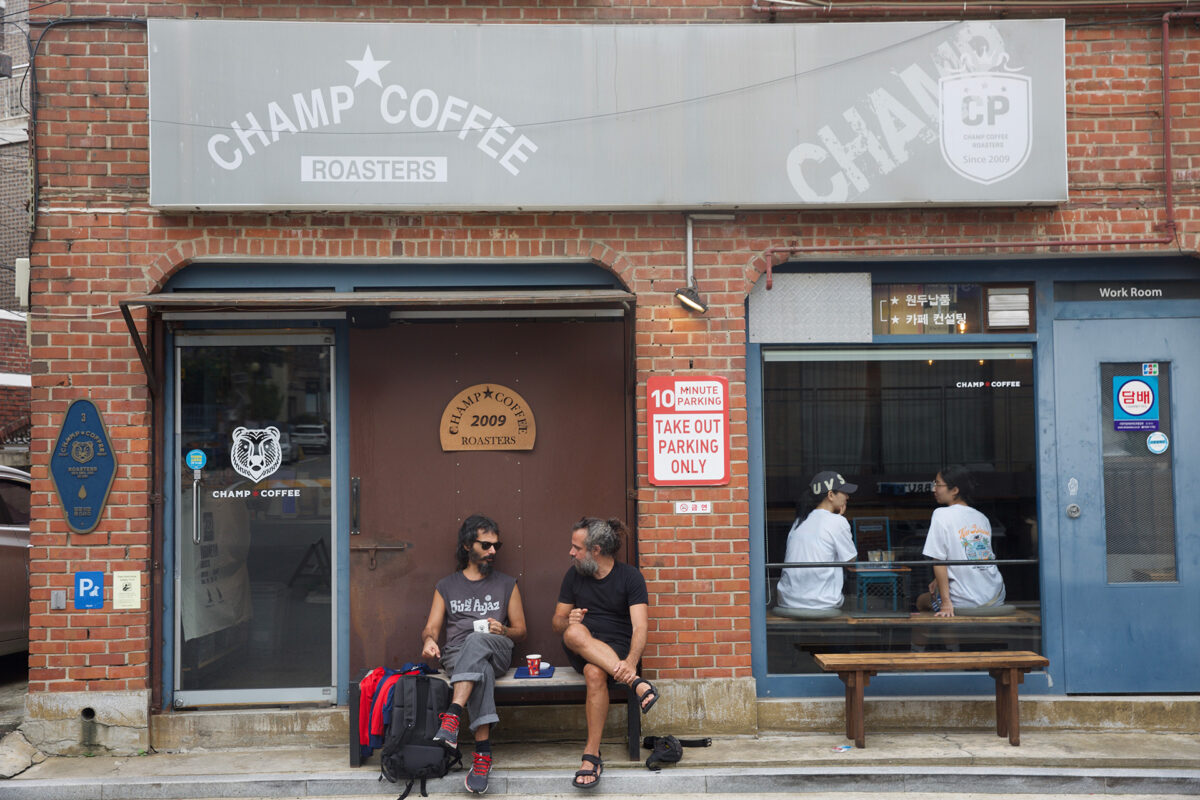
Many coffee lovers will connect with a brand like Champ, a Seoul coffee monolith that’s made great coffee feel accessible since 2009. Like other megacities, Seoul’s first wave of specialty coffee hit in the 2000s. What Onibus did for Tokyo, what Intelligentsia did for the Chicago, and what Square Mile did for London, Champ Coffee did for Seoul—alongside peers like Coffee Libre and Fritz. Before the mid-2000s, local roasting and single-origin sourcing weren’t the norm; Champ helped change that. They’ve blown up in popularity without abandoning their humility and reliability.
Champ now runs five-plus locations across the city, including a lovely walk-up bar inside the nearby Leeum modern art museum. The most familiar, and iconic, is the “2nd Workroom” in the heart of Itaewon, a neighborhood anchor that’s served locals and expats for ages. I’m adding Champ to this guide for exactly that reason: they always execute. It’s an espresso-forward operation with multiple blends to match your taste. Straight, with milk, with sugar: your call.
Their iced americano is city-benchmark good (which is really saying something here in Korea). They also excel at sweeter, seasonal specials, and the cookies are famous for a reason. There’s plenty of seating inside, so feel free to stay awhile.
gml coffee
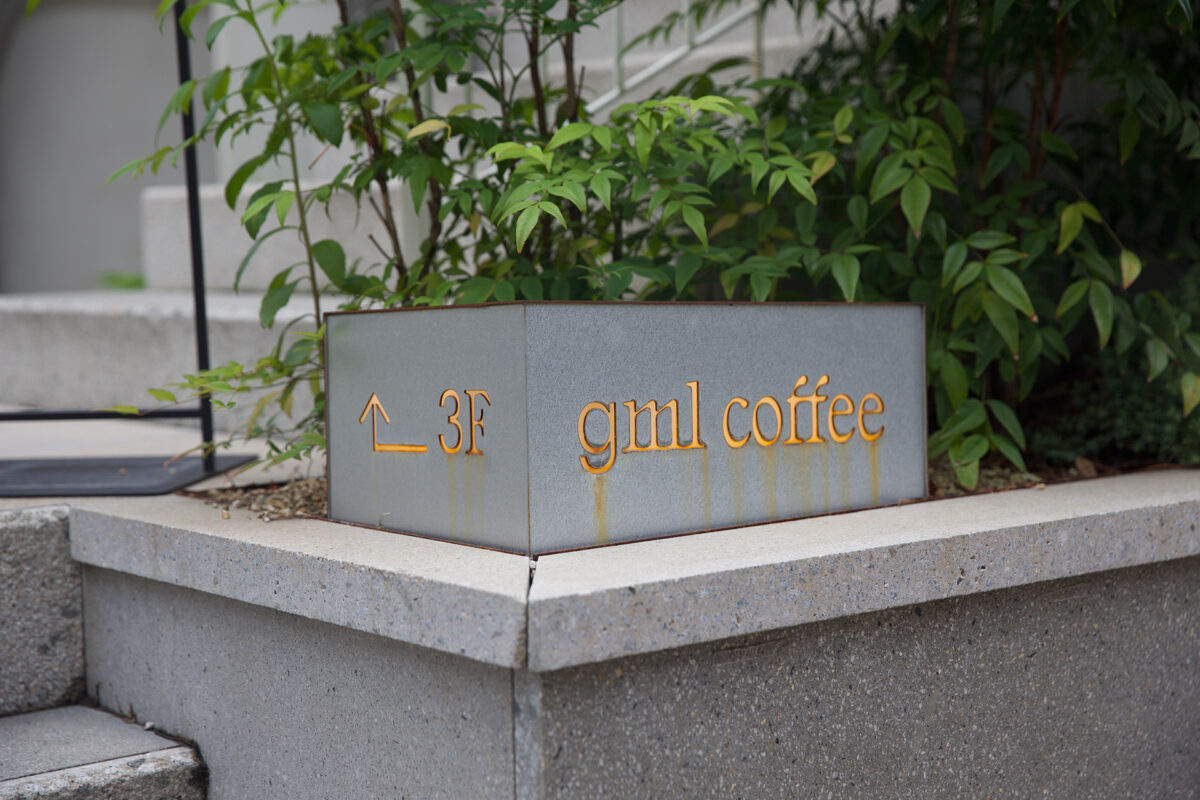
This is, selfishly, the kind of cafe I’m thrilled to have in my city. A stunning concrete interior—sleek, defined, pristine—perfectly matches the vibe of the area. Hannam is a destination for high-fashion lovers and streetwear lovers alike. It’s the shopping mecca in Seoul for anything cool and on-trend.
Their menu is nothing short of a triumph, anchored by a frankly absurd filter coffee lineup (26 on my last visit). The team at gml is bringing in some of the most interesting coffees in the world, from roasters you’ve likely heard of—Scott Rao’s Prodigal, Dak out of Amsterdam, Hatch out of Ontario—to boundary-pushing Korean roasters like Cospir from Busan.
Embrace their many flight options and treat yourself to a bunch of coffees. They organize their offerings into clear price brackets, and you can build your own set across three lanes—hot filter, iced filter, or what they call “milk-brews” (coffee steeped in milk for 10+ hours). It’s my favorite thing they offer: everything you’ve ever wanted from an iced latte, no espresso required. The space is a delight to visit and a perfect place to bring a friend and introduce them to coffees that show where the industry is right now: stellar sourcing, precise roasting, out-of-this-world flavors. Many will be shocked at what coffee is capable of tasting like, and gml makes beautifully expressive, interesting coffee accessible for folks who might not have the budget to brew like this at home.
Travertine
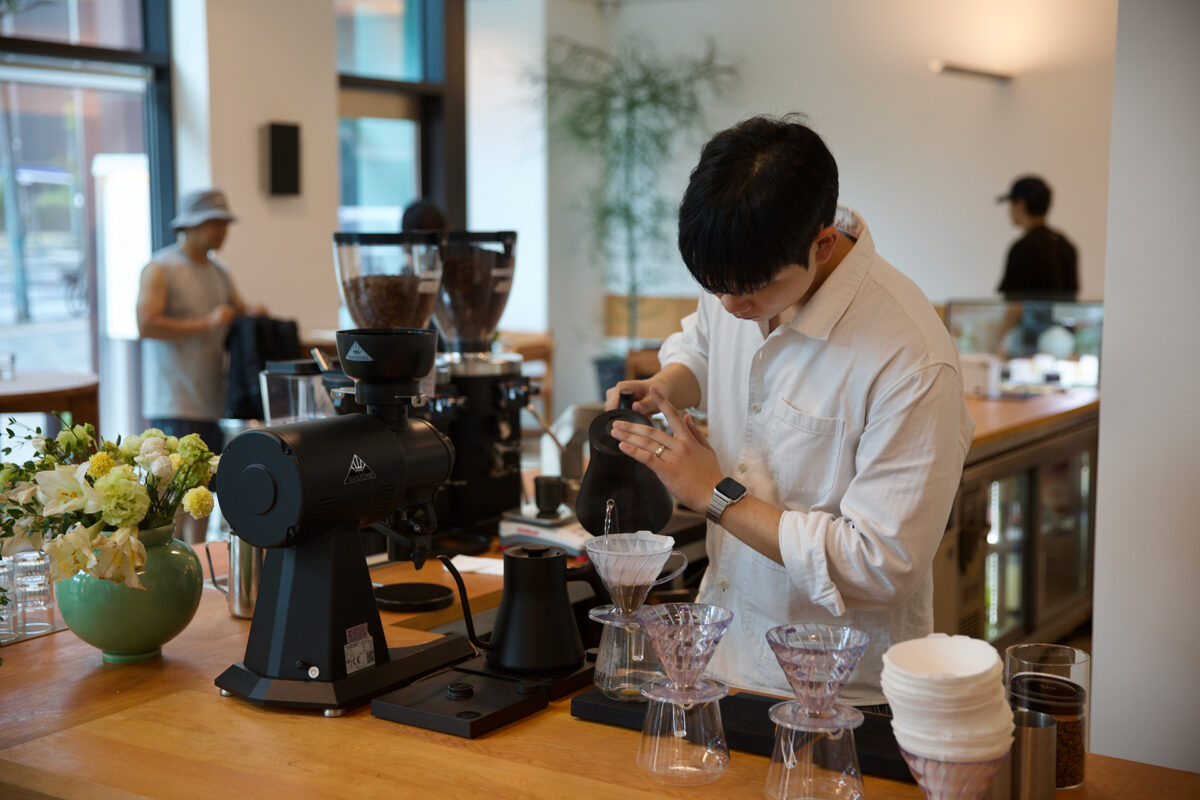
There’s something charming about cafes that encourage you to stay a while, and Travertine’s Hannam location, just a short walk from Hannam Station, does exactly that. The room is bright and clean, softened by fresh florals; the concrete, wood, and natural light play off one another in a way that brings a distinct sense of calm.
They used to be Korea’s official partner with Danish roaster La Cabra, and you can still feel that DNA in the cup: clean, refined, and delicate. Travertine has moved into roasting all of their own coffee, and the through-line is transparency: origins front and center, roasting that lets the coffees speak, and cups that taste as precise as the space looks. More than any other cafe on this list, this is where I’d hole up for a couple of hours and actually get things done.
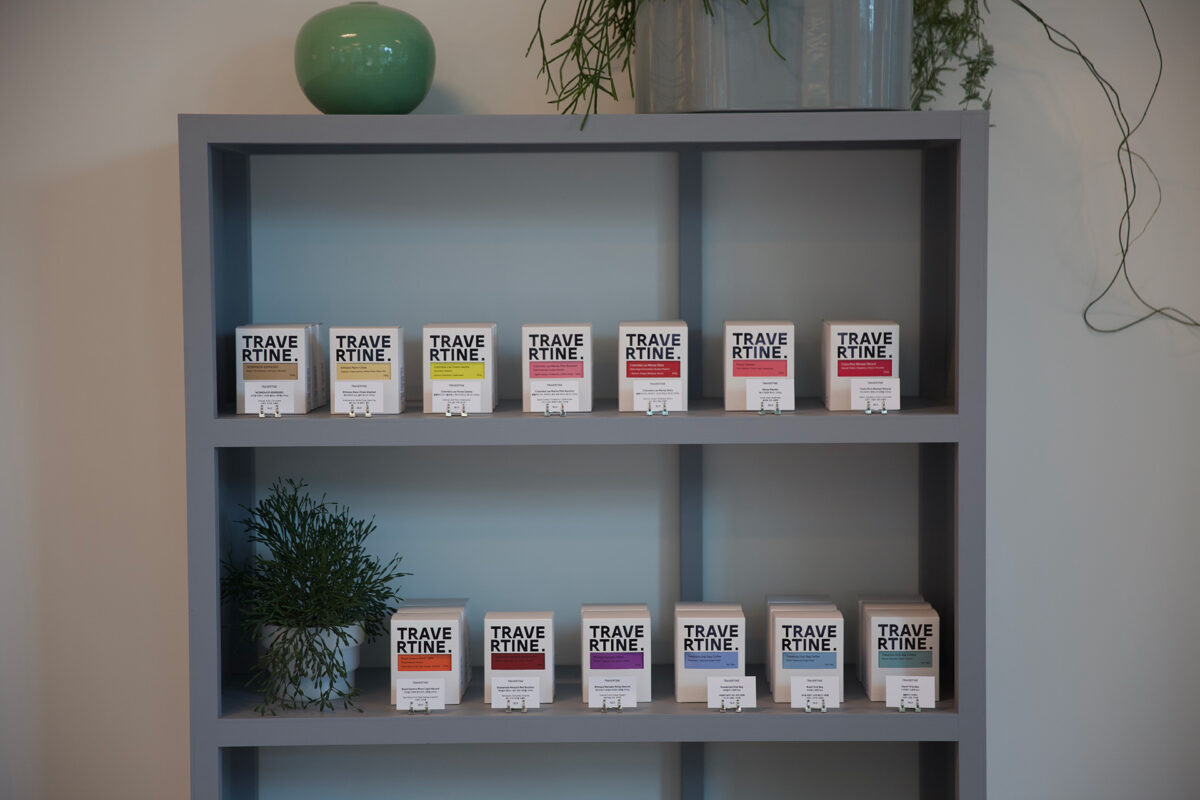
The food program really seals the deal. There’s a house-made butter scone topped with clotted cream and vanilla–rhubarb jam, and several different cakes that rotate through the case and thankfully taste as good as they look. Savory options abound if you need something more substantial! Their drink menu cover a lot of ground without feeling scattered: a classic Western-style espresso menu (Americanos, flat whites, vanilla lattes), a thoughtful slate of pour-overs, and a solid tea lineup—including tea lattes (matcha and hojicha). Travertine is the rare do-it-all cafe that is able to scratch almost any craving without sacrificing any quality.
Holden Jannusch is a freelance journalist based in Seoul. Read more Holden Jannusch for Sprudge.